22/08/2014

PUERTO MADERO

Puerto Madero, also known within the urban planning community as the Puerto Madero Waterfront, is a barrio (district) of theArgentine capital at Buenos Aires CBD, occupying a significant portion of the Río de la Plata riverbank and representing the latest architectural trends in the city of Buenos Aires.
In the 1990s, local and foreign investment led to a massive regeneration effort, recycling and refurbishing the west side warehouses into elegant houses, offices, lofts, private universities, luxurious hotels and restaurants that conform to a gallery of options for this new district in a city that grew up turning its back to the river. Led by the 1999 opening of the Hilton Buenos Aires, luxurious hotels, state-of-the-art multiplex cinemas, theatres, cultural centres, and office and corporate buildings are located mostly in the east side
Puerto Madero has been redeveloped with international flair, drawing interest from renown architects such as Santiago CalatravaNorman Foster, Baron Foster of Thames Bank, César Pelli, Alan Faena, Philippe Starck among others. Today one of the trendiest boroughs in Buenos Aires, it has become the preferred address for growing numbers of young professionals and retirees, alike. Increasing property prices have also generated interest in the area as a destination for foreign buyers, particularly those in the market for premium investment properties.

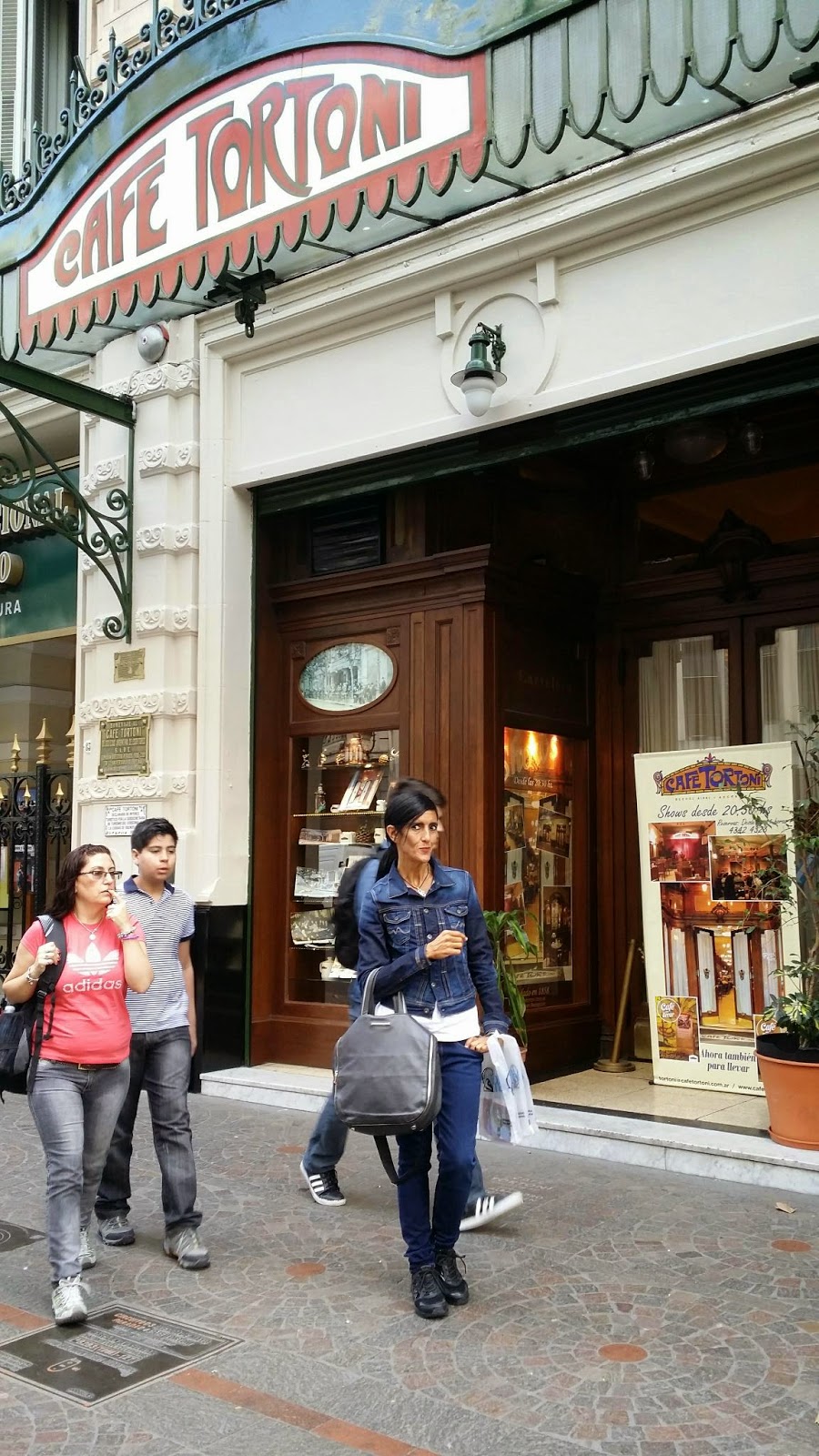
CAFÉ TORTONI

THE CAFÉ TORTONI

The Café Tortoni is a coffeehouse located at 825 Avenida de Mayo in Buenos Aires, Argentina. Inaugurated in 1858 by a French immigrant whose surname was Touan, it was named Tortoni after the Parisian café of the same name located on Boulevard des Italiens (where the elite of the Parissiense culture gathered in the 19th century). The café itself was Inspired by Fin de siècle coffee houses. Café Tortoni was selected by UCityGuides as one of the ten most beautiful cafes in the world.

TEATRO COLÓN

The grandiosity of Teatro Colón cannot be ignored. Whether you're walking past, zooming by in a taxi, or one of the lucky ticket holders about to go to a show - the theater's white marble and lavish details demand admiration.

Declared a historical monument by the Argentine government in 1989, the theater is a perfect representation and metaphor for the country that worked to build it. Teatro Colón offers a mix of French, German, and Italian style architecture and design, built up with not just a little turmoil and scandal, and is renowned for both its aesthetics and acoustics. Tickets can be hard to come by, but if you can get your hands on some - it is a must see while in Buenos Aires.

21/08/2014

CUTE SHOTS IN B.A. (I)


ONE OF THE MOST BEAUTIFUL BOOKSTORES IN THE WORLD.


EL ATENEO GRAND SPLENDID

El Ateneo Grand Splendid is one of the biggest bookstores in South America and certainly the most luxurious. Located in the ritzy Recoleta neighborhood, El Ateneo is as splendid as its name, and exudes Buenos Aires’s nostalgic elegance.  The building originally housed the theater Teatro Grand Splendid, designed by architects Pero and Torres Armengol in 1919. After years of popular shows, including performances by the famous tango singers Carlos Gardel and Ignacio Corsini, the Grand Splendid was converted into a movie theater in the late ’20′s, featuring some of the first sound movies shown in Argentina.

All the bookstore’s a stage

Beautiful bookstore Buenos Aires
The El Ateneo publishing house converted this old theater into a bookstore in 2000, thankfully conserving its original aspect, but replacing seating with bookshelves. The theater’s spectacular cupola (dome), painted by Italian artist Nazareno Orlandi, depicts an allegory for peace after WWI. Framed by plush crimson curtains, the stage is now a cafe where literary types and people-watchers alike form part of the spectacle; acting like a porteño by sipping a cafe and struggling over a Cortázar story has never been so literal!

ON THURSDAYS AT 15.30.

LAS MADRES Y ABUELAS DE LA PLAZA DE MAYO.

Very sad!